

Imagine a factory where machines hum along tirelessly, working hand-in-hand with people to create products faster, safer, and better than ever before. That’s the magic of industrial automation solutions—game-changers that are transforming modern manufacturing. By blending cutting-edge tech like robotics, AI, and the Internet of Things (IoT), these systems are making factories smarter, more efficient, and even a little more human. Let’s dive into what industrial automation is, why it matters, and where it’s headed next.
What Is Industrial Automation, Anyway?
At its core, industrial automation is about letting technology take the wheel for repetitive or complex tasks, freeing up human workers to focus on creativity and problem-solving. Think of it as a symphony of machines, software, and data working together to streamline operations. Here’s a quick look at the key players:
-
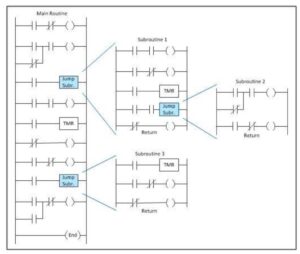
Programmable Logic Controllers (PLCs): These are like the brains of the operation, controlling machines with precise, pre-programmed instructions.
-
Robotics: Picture robotic arms assembling cars or packaging goods with pinpoint accuracy.
-
Industrial IoT (IIoT): Connected devices that share data in real-time, helping factories make smarter decisions.
-
SCADA Systems: These keep an eye on everything, monitoring and controlling processes from a central hub.
-
AI and Machine Learning: Algorithms that predict when machines need maintenance or how to optimize production schedules.
Why Automation Is a Big Deal
Automation isn’t just about fancy tech—it’s about making work better for everyone involved. Here’s how it’s changing the game:
1. Boosting Productivity Like Never Before
Machines don’t need coffee breaks or sleep. They can run 24/7, churning out products at a pace humans alone could never match. This means faster production and the ability to keep up with skyrocketing demand—without breaking a sweat.
2. Precision That Feels Almost Magical
Ever tried assembling tiny electronics by hand? It’s tough! Automated systems nail every detail with consistent precision, reducing mistakes and ensuring top-notch quality. From cars to smartphones, automation delivers products you can trust.
3. Saving Money in the Long Run
Yes, setting up automation can cost a pretty penny upfront, but the savings pile up over time. Fewer errors, less waste, and lower labor costs mean businesses can do more with less.
4. Keeping Workers Safe
Nobody should have to risk their safety handling dangerous chemicals or heavy machinery. Automation takes on the risky stuff, creating safer workplaces where people can thrive without worry.
5. Smarter Decisions, Powered by Data
With IoT and AI, factories are swimming in data—data that tells them how machines are performing, where bottlenecks are, or when equipment might need a tune-up. It’s like having a crystal ball for better decision-making.
Where Automation Shines
Automation is making waves across all sorts of industries:
-
Manufacturing: From building cars to crafting gadgets, automated assembly lines are the backbone of modern production.
-
Pharmaceuticals: Precision automation ensures medicines are made and packaged with zero errors.
-
Food and Beverage: Automated systems keep food safe and fresh, from processing to packaging.
-
Energy: Power plants and renewable energy systems run smoother and greener with automation.
-
Logistics: Automated warehouses zip orders out the door faster than you can say “next-day delivery.”
The Challenges of Going Automated
As awesome as automation is, it’s not all smooth sailing. Here are some hurdles businesses face:
-
Upfront Costs: Advanced systems can be pricey to install, which can feel daunting for smaller companies.
-
Learning Curve: Workers might need training to team up with their new robotic coworkers.
-
Cybersecurity Worries: Connected systems are a hacker’s playground, so strong security is a must.
-
Fitting In with Old Systems: Getting shiny new tech to play nice with older equipment can be tricky.
What’s Next for Industrial Automation?
The future of automation is bursting with possibilities, and it’s all about making factories smarter and more human-friendly:
-
Collaborative Robots (Cobots): These friendly robots work side-by-side with people, blending human creativity with machine precision.
-
Digital Twins: Virtual versions of real machines let companies test and optimize without touching the actual equipment.
-
Edge Computing: Processing data right where it’s collected means faster, smarter decisions.
-
Green Automation: Factories are using automation to cut energy use and waste, helping the planet while boosting efficiency.
-
AI-Powered Everything: From predicting machine breakdowns to streamlining supply chains, AI is taking automation to the next level.
Wrapping It Up
Industrial automation isn’t just about machines taking over—it’s about empowering people and businesses to do their best work. It’s about creating safer workplaces, higher-quality products, and a more sustainable world. As technologies like AI, IoT, and robotics keep evolving, automation is opening doors to a future where manufacturing is smarter, faster, and more human than ever. Ready to embrace the revolution? The future of industry is here, and it’s looking bright.



No comment yet, add your voice below!